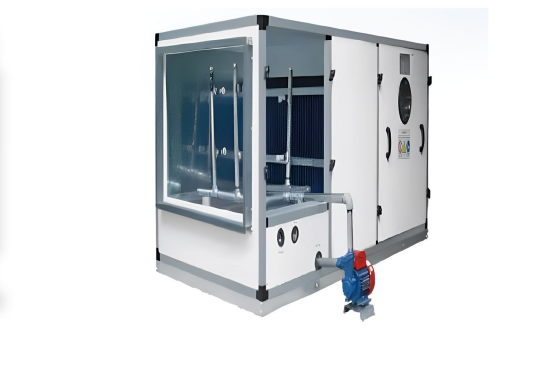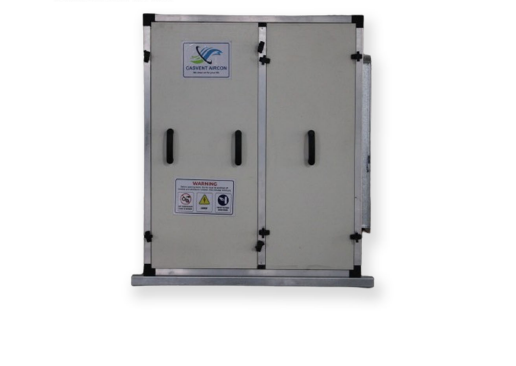
Air washers help in removing various kinds of domestic allergens—and the list includes dust, dust mites, pet dander, pet hair, mold spores, pollen, and other airborne particles—while adding moisture to the air.
The most widely used kinds of air washers use the impeller technology which actually uses a series of spinning discs (many times 30 or more) to continuously filter out allergens and particles from air as it is drawn into the unit.
Large allergens get collected on the discs while a continuous water bath rinses them away and it is collected at disposed from the bottom of the unit. Then the discs propel fresh water via a special diffusing screen.
It breaks down into a fine mist and blankets your ain Even the small models can disperse around a gallon of humidity total per day.
The second kind of air washers, which are less used, have installed particle pre-filters to filter out allergens and particles from inbound air prior to humidifying your room. These models use evaporative humidifying technology.
This maintains higher level of moisture in the room and thus are used limitedly. The pre-filter or the evaporative wick filter, which "wicks" up water while a fan blows to generate a fine mist. This filter also removes mineral deposits from the water.
A scrubber or scrubber system is used to eliminate hazardous substances from industrial exhaust gases .
There are two main ways to scrub pollutants out of exhaust. One is Wet Scrubbing which includes removal of harmful flue gases by spraying a liquid substance through the gas.
And the second is Dry Scrubbing or removal of harmful gases by introducing a solid powdered substance. Both methods work in the same manner. The difference is the state of the substance used.
As scrubbers are used for most acidic substances in the effluent, it help prevents the formation of acid rain.
Scrubbing is the most effective sulphur removal technique. Scrubbers are effective in removing around 98% of sulphur, but are expensive to maintain and install.